Table of Content
- Final Thoughts: Vikings Defense Faces Tough Task of Slowing Down Miami's Speed on Offense
- Uptick in revenue
- Checklist for designing a reading nook or cozy corner
- Final Thoughts: Vikings Next Bounce Back Attempt Includes Chance to Clinch
- Final Thoughts: Vikings Expect Tough Clash with Lions in Bid to Secure NFC North
Vikings Head Coach Kevin O'Connell said the team is looking forward to being back home where the Vikings have gone 4-0 so far this season, but he understands Dallas presents challenges in all three phases. Minnesota's most recent victory — a overtime thriller against Buffalo this past Sunday — showed the Vikings are capable of winning against a team with a record above .500. The streak has tied an NFL record, with Minnesota joining the Kansas City Chiefs, who set the record during the 2020 season. Bank Stadium, but the Cowboys are the only one of the five with multiple victories. Search for home improvement experts, from flooring to roofing and everything in-between. Get inspired for your next home décor project with 3 different & unique Designer Rooms created by Pottery Barn.
To avoid parking near the stadium, Metro Transit offers light rail and bus service to and from Minneapolis. Fans can catch Blue or Green Line trains, and there are more than 123 interconnected bus routes throughout the Twin Cities. U.S. Bank Stadium, located at 401 Chicago Avenue in Minneapolis, does not directly manage any public parking areas. U.S. Bank Stadium was awarded the bid to become the first NFL stadium to host the NCAA DI Wrestling Championships in March 2020. In May 2012, the Minnesota Legislature and the Minneapolis City Council approved funding for the new $975 million multi-purpose stadium to replace the Metrodome.
Final Thoughts: Vikings Defense Faces Tough Task of Slowing Down Miami's Speed on Offense
While the Vikings' owners wanted an outdoor stadium, the state and local governments would only provide funding for an indoor stadium capable of hosting major events like the Super Bowl and the Final Four. However, retractable roof facilities are not typically designed for the roof to be opened and closed in sub-freezing conditions. When built in temperate climates, retractable roofs are generally kept closed throughout the winter months, both to reduce the stress on the roof and its components and also to reduce or eliminate the need to winterize the stadium's interior.
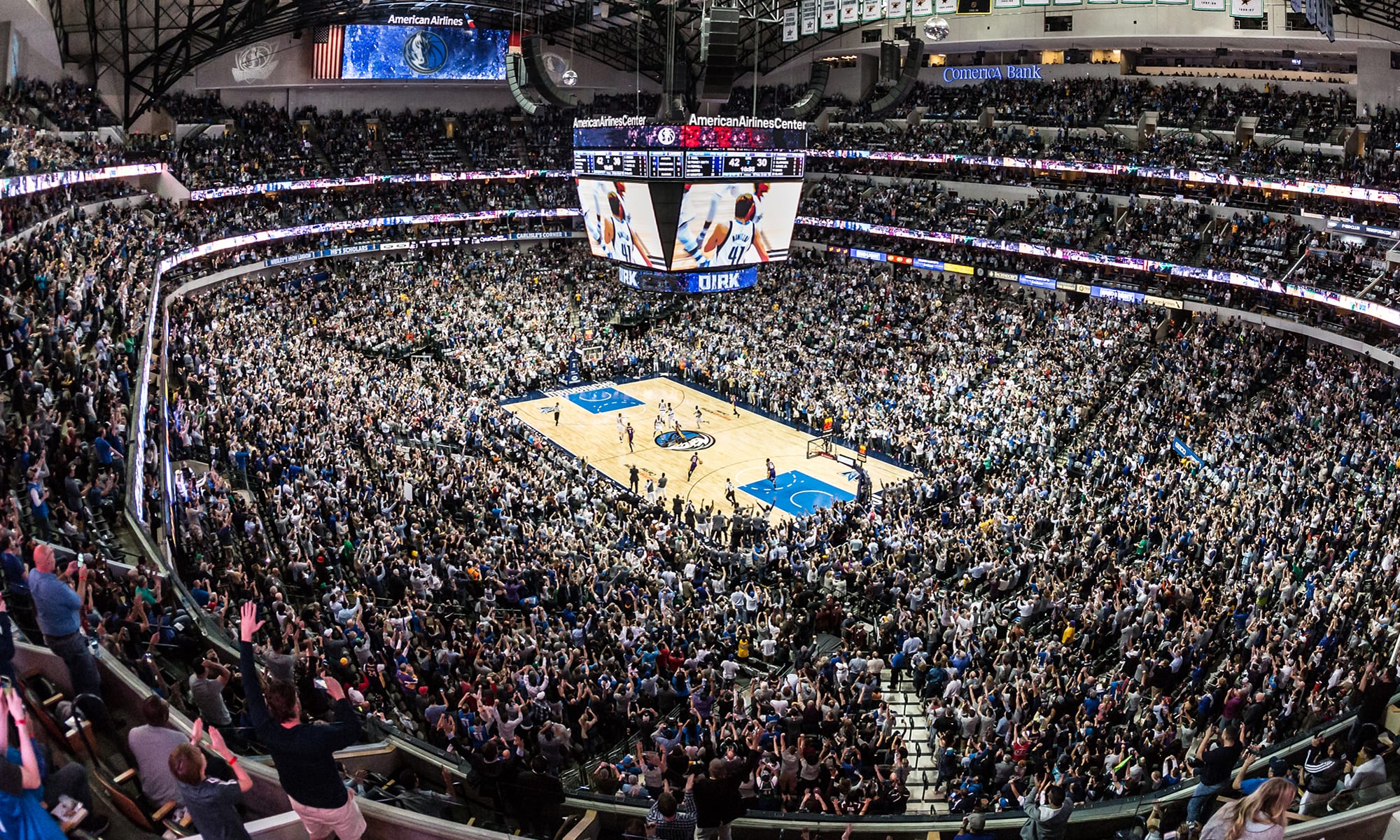
Jefferson, meanwhile, has lined up at left outside WR on 48.1 percent of snaps. So even if Diggs doesn't trail him the whole afternoon, it's likely Jefferson will match up against the corner a fair bit. Bank Stadium in downtown Minneapolis is the new hub for many major sporting events and concerts in the Twin Cities.
Uptick in revenue
Running back Ezekiel Elliott has rushed for 443 yards and four touchdowns , but he has missed the past two games due to a knee injury. Elliott told reporters Thursday that he's "optimistic" he'll make his return Sunday. "Excited to be coming back home to U.S. Bank Stadium. [It's] a real opportunity for our team to really have a good stretch of time here where we get to play in front of our home fans. It's been a huge advantage this year," O'Connell said. Sunday's game against Dallas will be the first of five games in six weeks at home for Minnesota. All three games have come down to the wire, with each ending in a one-score margin (17-15 in 2016, in 2020 and last season).

The team reacted with skepticism to the proposal and did not want to play at nearby 50,000-seat capacity University of Minnesota TCF Bank Stadium during the three years of construction. Because the Minneapolis dome site was a less expensive option, football fans were expected to return to the Minneapolis plan if the shortfall in the Ramsey County plan were not realized. In August 2012, the Minnesota Sports Facilities Authority —the stadium's newly created owner—received bids and plans from five architectural and engineering firms, all nationally recognized stadium designers, including Populous, AECOM, EwingCole, and HNTB. On September 28, 2012, the MSFA selected the Dallas firm of HKS, Inc., which had designed both AT&T Stadium and Lucas Oil Stadium within the previous decade, to serve as the project's architect. HKS also designed Globe Life Park in Arlington, home of the Texas Rangers; the Milwaukee Brewers’ American Family Field in Milwaukee, Wisconsin; and renovations to the Chicago White Sox’s Guaranteed Rate Field. Initial design plans were not immediately released to the public, but Viking officials said they hoped the budget would allow the new stadium to include a retractable roof, walls, or windows.
Checklist for designing a reading nook or cozy corner
Get browser notifications for breaking news, live events, and exclusive reporting. Tailgating for all weekend games open five hours prior to kick-off, and for weekday games, it's three hours prior to kickoff. Tailgating must end three hours after the game or midnight, whichever comes first.

As with the Metrodome, U.S. Bank Stadium has the capability to host baseball games in the winter months. The University of Minnesota plays selected games, primarily during February and March, including hosting the College Classic, a non-conference series of games featuring top NCAA teams in Minnesota that was suspended during stadium construction. The Vikings said the design includes a soccer field measuring 115 by 74 yards to accommodate a potential Major League Soccer expansion team. In 2012, the Vikings received a five-year window to host a Major League Soccer team in the state's legislation to finance the stadium, and the Vikings ownership launched a bid to own an expansion franchise. In December 2014, Vikings Vice President Lester Bagley presented rendering of the stadium configured for a potential Major League Soccer team, with tarps and curtains covering the upper deck to bring the capacity down to 20,000.
It would utilize part of the footprint of the Metrodome and would only require the Vikings to play at TCF Bank Stadium during the final year of construction. The agreement met with mixed reaction, and some criticized the proposal as being unfair to taxpayers and a giveaway to team owners. Minnesota Governor Mark Dayton discussed the matter with NFL commissioner Roger Goodell, but said "any new stadium must first benefit the people of Minnesota".

On April 19, 2007, the MSFC and the Vikings unveiled their initial plans for the stadium and surrounding urban area, with an estimated opening of 2012. The plan included substantial improvements to the surrounding area, including an improved light rail stop, 4,500 residential units, hotels with a combined 270 rooms, 1.7 million square feet of office space and substantial retail space. The seating capacity is 66,860 for most games, slightly more than the Metrodome, and can be expanded to 73,000 for soccer, concerts, and special events, such as the Super Bowl.
As of 2007, the stadium would have held approximately 73,600 people and was to have been complete by August 2011. The initial proposal did not have the final architectural design renderings, but did include key features that were to have been included in any final plan, including the plans for neighboring urban development. The roof would have allowed Minneapolis to remain a potential venue for the Super Bowl and Final Four, both of which had been held at the Metrodome. The proposed urban plan itself was received with cautious welcome. Occasionally, a team's home games are moved from their usual site to another location, usually either due to natural disasters, or to the stadium being in use for other events. The list of temporary home stadiums is ordered by the date on which the game using the temporary location was played.
As a result of the investigation, contractor Mortenson Construction and subcontractor Berwald Roofing faced fines of $173,400 for "serious" and "willful" safety violations. The reports do not provide an explanation of the accidents, but the largest fine, $70,000, and most serious alleged violation faults Berwald for willfully failing to have workers use proper fall protection while working at heights above 6 feet. While true for NFL football, for comparison, professional baseball and basketball gain no personal income for residents.
The Vikings' lease with the Metropolitan Sports Facilities Commission , as signed by both parties in August 1979, kept them in the Metrodome until 2011. The lease was considered one of the least lucrative among NFL teams; it included provisions where the commission owned the stadium, and the Vikings were locked into paying rent until the end of the 2011 season. For several years prior to the Metrodome's demolition, however, the Metropolitan Sports Facilities Commission waived the team's nearly $4 million rent. The Vikings paid the MSFC 9.5% of their ticket sales; the commission "reserve all rights to sell or lease advertising in any part of the Stadium," the team could not use the scoreboard for any ads, and the team did not control naming rights for the building. The Vikings were 30th out of 32 NFL teams in local revenues in 2005.
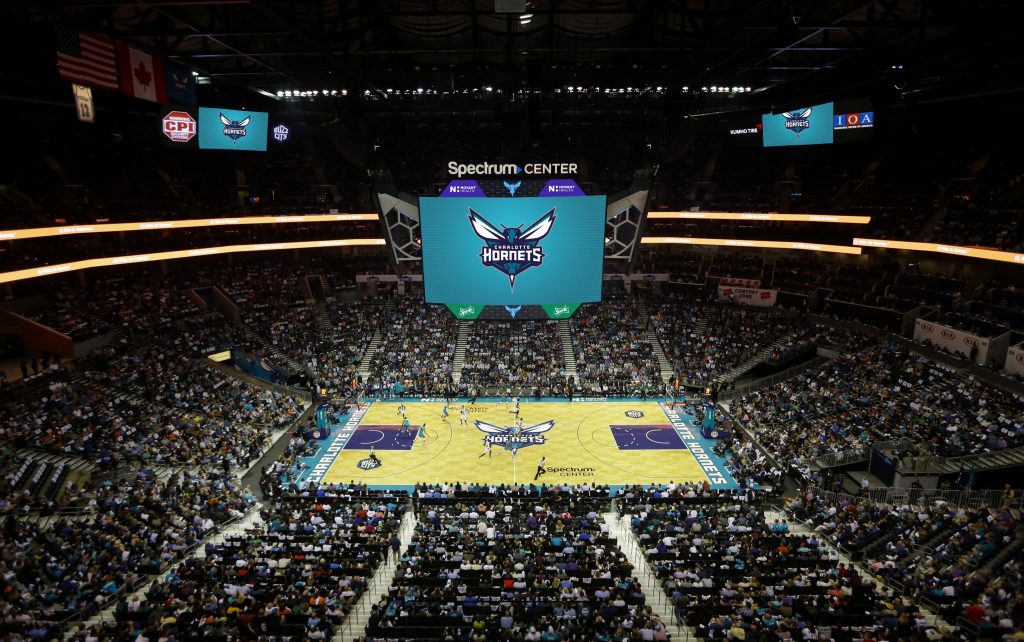
An unrelated 2008 study explains that the effect of the media, in this case an uncritical Star Tribune, matters a great deal in helping a stadium initiative. As a result, once negotiations for a different location had been put aside, the Vikings focused on proposing a stadium that would be the centerpiece of a larger urban redevelopment project. Bank Stadium has been compared to the Christ Cathedral in Garden Grove, California, which was created by architect Philip Johnson. Opened in 1980, the then-named Crystal Cathedral was previously considered America's largest glass-dominated building. The stadium, which likewise sports transparent roofs, walls, and giant rotating doors, has the world's five largest pivoting doors. Though Diggs hasn't often traveled with or shadowed one specific receiver in games this season, he has aligned at right outside CB on 86.9 percent of snaps this season .


No comments:
Post a Comment